Asterdex app Is a practical guide to trading features and export basics
Asterdex app Is best understood as a crypto trading workflow around AsterDEX, where users evaluate market tools, connect a wallet, trade digital assets or derivatives, and export transaction records for portfolio tracking or tax preparation. Asterdex app is not something to approach casually: before depositing funds, users should verify the official site, understand wallet permissions, review regional access rules, and keep complete trading history files for their own records.
Asterdex app matters because decentralized and hybrid trading platforms often move faster than traditional financial services. Interfaces can change, incentives can appear or expire, and transaction data may live across a wallet, a trading account, and a separate tracking system. That creates a practical need for plain-language guidance: what the platform is used for, how a typical session works, and what records a user should save before relying on third-party accounting software.
What is Asterdex app?
Asterdex app refers to the user-facing experience of using AsterDEX as a crypto trading platform. In everyday search language, people use the phrase to mean the exchange interface, the trading dashboard, wallet connection flow, and the account tools that support deposits, positions, transaction history, and exports. The protocol or service may be described with different capitalization, including AsterDEX, but Asterdex app is the practical phrase many users use when they are looking for help.
Asterdex app is commonly discussed in connection with decentralized exchange activity, perpetual markets, referral campaigns, wallet deposits, and transaction exports. Those topics should be separated in a user's mind. Trading features help execute market activity. Account and history tools help document what happened. Incentive programs may encourage usage, but they do not remove market risk, smart contract risk, liquidation risk, or the need to check official rules before participating.
For a new user, Asterdex app should be evaluated like any crypto trading venue: confirm the official domain, check whether the service is available in the user's jurisdiction, understand how custody works, and avoid treating social posts or referral claims as proof of safety. The platform may offer advanced tools, but the first decision is whether the user understands the trade, the fees, the records, and the withdrawal path.
How does Asterdex app work for trading?
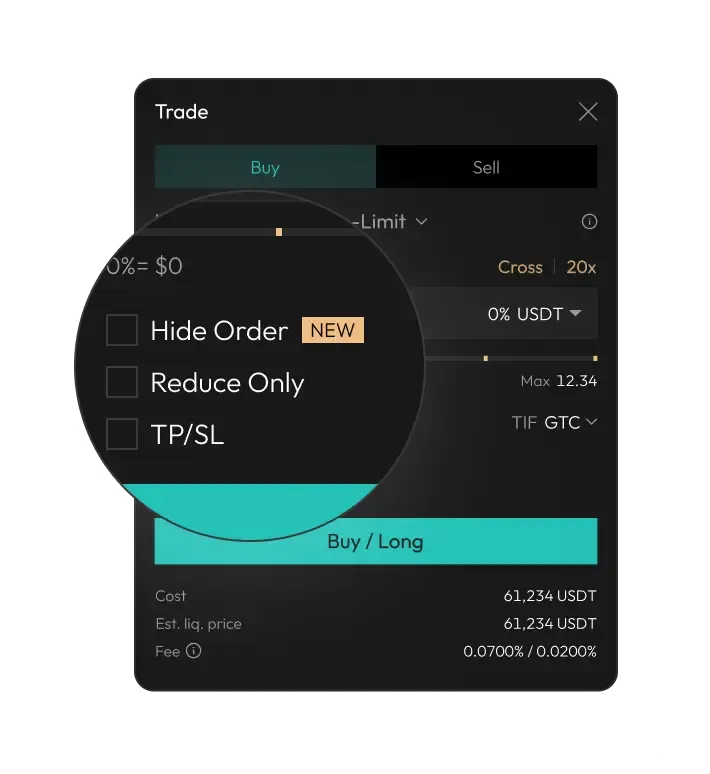
Asterdex app typically begins with access to the trading interface, where a user may connect a compatible wallet, review available markets, and choose a trading mode. Depending on the current platform design, this can include spot-style swaps, perpetual contracts, leverage controls, margin settings, order forms, open positions, and account balances. Users should always verify current features directly through official AsterDEX resources because DeFi products change frequently.
Asterdex app trading is different from simply buying an asset and holding it in a wallet. Perpetual contracts and leveraged positions can involve funding rates, collateral requirements, liquidation thresholds, and rapid price movement. A small market move can have an outsized effect when leverage is used. That means Asterdex app users need to understand order types, position size, margin mode, and how unrealized profit or loss is calculated before placing an order.
In practice, Asterdex app use often includes a loop of checking liquidity, placing trades, monitoring exposure, closing positions, and reviewing the transaction history afterward. The trading screen may feel familiar to users of centralized exchanges, but wallet-based activity can add extra steps such as network selection, transaction signing, gas costs, and contract approvals. Each approval should be read carefully, especially when a wallet asks for spending permission.
What can users do with Asterdex app?
Asterdex app can serve several practical use cases for crypto-native traders. Some users want access to decentralized liquidity without relying entirely on a centralized exchange account. Others are interested in perpetual trading, market exposure, or campaign-based activity. Asterdex app may also be used by people who need a record of their trades so they can reconcile balances across a wallet, portfolio tracker, spreadsheet, or crypto tax tool.
The main use cases are easiest to understand as a set of workflows rather than a single feature. Asterdex app can support market exploration, active trading, performance review, and transaction record management. The exact availability of each workflow depends on the live service, supported networks, and account status. Users should avoid assuming that a demo, article, or old screenshot reflects the current product.
- Review markets, pairs, liquidity, and chart information before trading.
- Connect a wallet and approve only the permissions required for the intended action.
- Open, monitor, and close trades while tracking collateral and liquidation levels.
- Export transaction history for accounting, portfolio analysis, or tax preparation.
- Compare wallet balances with platform records after major deposits or withdrawals.
Asterdex app can be especially useful when the user treats records as part of the trading process, not an afterthought. Saving exports regularly reduces the risk of missing historical details if an interface changes or a third-party importer needs a specific file format. A practical trader keeps the raw export, a clean spreadsheet copy, and notes about any manual adjustments.
How to get started with Asterdex app safely
Asterdex app onboarding should begin with verification. Users should type the official domain themselves or use a trusted bookmark, because fake exchange pages and wallet-draining copies are common across crypto. Before connecting a wallet, the user should inspect the URL, avoid sponsored lookalikes, and consider using a separate trading wallet rather than a wallet that stores long-term holdings.
Asterdex app setup may involve wallet connection, network selection, account creation or profile steps, and deposit routing. If the platform requires eligibility checks, regional restrictions, or identity steps, those requirements should be reviewed before funds are moved. Asterdex app users should not deposit assets first and investigate withdrawal or compliance limitations later. In crypto, the order of operations matters.
A reasonable first workflow is simple: verify the site, connect a limited-purpose wallet, test with a small amount if appropriate, review the transaction history screen, and confirm that exports are available before scaling activity. Users who plan to track records elsewhere can also read an internal before they trade heavily. This is not financial advice; it is a recordkeeping and operational habit.
Asterdex app users should also check network fees, bridge requirements, minimum deposit amounts, and withdrawal paths. A low trading fee does not help if a user sends funds over the wrong network or cannot reconcile the transaction later. Screenshots, transaction hashes, and exported CSV files can make troubleshooting far easier if support, accounting, or self-review becomes necessary.
How do Asterdex app transaction exports work?
Asterdex app transaction exports are important because trading records are the bridge between platform activity and external tracking tools. A typical export may include timestamps, asset symbols, trade direction, quantities, prices, fees, realized profit or loss, funding payments, deposits, withdrawals, or transaction identifiers. The exact fields depend on the platform's current export format, so users should inspect the file before importing it anywhere.
Asterdex app records should be downloaded from the transaction history or account history area when available. Users often look for an export icon, a CSV download, or a date-range filter. If an importer rejects the file, the problem may be a missing column, incorrect date format, unsupported transaction type, or a mismatch between wallet transactions and exchange-side entries. Keeping the original export untouched makes later troubleshooting cleaner.
Asterdex app exports are not a substitute for tax, legal, or accounting advice. They are evidence of platform activity that may need to be interpreted under the user's local rules. For crypto tax software or portfolio trackers, users should compare imported results against wallet balances and platform statements. A single missing funding payment, transfer, or fee can make totals look wrong, especially for active perpetual trading.
For users who need a broader workflow, an internal can help organize exports, wallet histories, and notes in one place. Asterdex app records should be saved periodically, especially after large trades, before closing an account, and at the end of a reporting period.
Benefits of using Asterdex app with a recordkeeping mindset
Asterdex app can be attractive because it brings trading tools and on-chain habits into one workflow. Users may value wallet connectivity, market access, derivatives features, or the ability to review their own transaction history. The benefit is strongest when the user understands both sides of the experience: execution on the trading screen and documentation after the trade is complete.
Asterdex app recordkeeping also supports better self-review. Traders can compare intended position size with actual fills, identify recurring fee costs, review liquidation events, and separate realized results from open exposure. That information is useful even when a user is not preparing a tax report. It can show whether a strategy is being followed or whether trading decisions are becoming inconsistent.
The protocol experience may also fit users who prefer crypto-native tooling over a fully centralized exchange account. Still, Asterdex app should not be judged only by marketing claims, reward campaigns, or social activity. A practical evaluation includes liquidity, slippage, uptime, supported assets, withdrawal reliability, security history, documentation quality, and how easily transaction data can be exported.
What are the main risks of Asterdex app?
Asterdex app involves several categories of risk. Market risk is the most obvious: crypto prices can move sharply, and leveraged products can lose value quickly. Liquidation risk is especially important for perpetual traders, because collateral can be reduced or lost if the position moves against the user. No app interface can remove the need to understand position sizing and downside exposure.
Asterdex app users should also think about technical and operational risk. Smart contracts can have bugs, wallet approvals can be abused if granted to the wrong site, bridges can fail, and user mistakes can send assets to the wrong network. Even when a platform works as designed, users may lose money through slippage, funding costs, incorrect order settings, or failure to close a position.
Asterdex app access risk is another practical concern. Regional rules, platform policies, maintenance periods, or account restrictions can affect what a user can do. Before depositing, users should verify official terms, withdrawal processes, support channels, and current availability. Any claim about guaranteed rewards, guaranteed profits, or risk-free trading should be treated as unreliable.
Asterdex app safety is therefore a process, not a single setting. Use official sources, protect seed phrases, review wallet permissions, start small when testing unfamiliar flows, keep exports, and avoid sharing referral or account details with strangers. Users handling significant funds should consider professional tax or legal guidance where appropriate.
How does Asterdex app compare with other crypto trading options?
Asterdex app sits in a broader market that includes decentralized exchanges, centralized exchanges, aggregators, wallet swaps, and derivatives platforms. Centralized exchanges may offer fiat deposits, customer accounts, and familiar support workflows, but they can also involve custody, identity requirements, withdrawal rules, and platform-specific restrictions. Decentralized tools may give users more direct wallet control, but that control comes with more responsibility.
Asterdex app may appeal to users who want a trading interface connected to DeFi-style execution or perpetual market access. By contrast, a simple wallet swap is usually better for straightforward asset conversion, while a regulated fiat exchange may be easier for users who need bank transfers, formal statements, or local compliance support. The right option depends on the user's location, risk tolerance, trading knowledge, and recordkeeping needs.
In comparison with many crypto tools, Asterdex app should be evaluated on practical details: supported networks, depth of liquidity, order execution, fee visibility, export quality, and the clarity of risk controls. A platform with appealing markets can still be a poor fit if users cannot understand the costs, retrieve records, or withdraw through a route they trust.
Is Asterdex app worth using for exports and tracking?
Asterdex app can be worth exploring for users who already understand crypto wallets, derivatives risk, and the importance of transaction records. It is less suitable for someone who wants a fully guided beginner experience or who is uncomfortable verifying contract approvals, networks, and trade history. The more active the trading, the more important exports become.
Asterdex app should be treated as part of a complete workflow rather than a standalone promise. Before serious use, confirm the official site, read current documentation, understand fees and liquidation mechanics, test the export process, and verify that your portfolio or tax tool can interpret the data. Asterdex app may provide useful trading functionality, but user discipline is what turns activity into a reliable record.
Ultimately, Asterdex app is a topic where execution and documentation belong together. Trading without clean records creates problems later, and recordkeeping without understanding the trade does not reduce risk. Users who approach Asterdex app with verification, caution, and organized exports will be better prepared to review their activity and make informed decisions without relying on promotional claims or incomplete history.
Questions and Answers
What is Asterdex app used for?
Asterdex app is used to describe the user-facing AsterDEX trading experience, including wallet connection, market review, trade execution, position monitoring, and transaction history exports. Users may look for it when they want to trade crypto assets or perpetual contracts and later move their records into portfolio or tax tracking tools. Features can change, so details should be verified with official AsterDEX sources.
How do I export transactions from Asterdex app?
Asterdex app transaction exports are usually found in an account history or transaction history area when the feature is available. Users should look for a download or export control, choose the correct date range, and save the original file before editing it. After export, compare the file against wallet activity and platform balances because missing fees, transfers, or funding entries can affect tracking results.
Is Asterdex app safe for beginners?
Asterdex app may be difficult for complete beginners if they are unfamiliar with wallets, network fees, contract approvals, leverage, or liquidation risk. Safety depends on careful behavior as well as platform design. Users should verify the official domain, use a limited-purpose wallet, understand each permission request, start small when testing, and avoid relying on referral claims or reward promises as evidence of safety.
Does Asterdex app provide tax reports?
Asterdex app may provide transaction history data that can help with tax or portfolio tracking, but an export is not the same as a completed tax report. Users generally need to import records into a tracking tool, reconcile wallet transfers, and apply rules for their own jurisdiction. For uncertain situations, especially active derivatives trading, professional tax guidance may be appropriate.
What risks should I understand before using Asterdex app?
Before using Asterdex app, users should understand market volatility, leverage risk, liquidation mechanics, wallet approval risk, network selection mistakes, slippage, funding costs, and possible access restrictions. Crypto platforms can change quickly, and trades may be irreversible. Users should verify current terms and documentation through official sources before depositing funds or opening positions.
How is Asterdex app different from a centralized exchange?
Asterdex app is generally discussed in the context of crypto-native or decentralized trading workflows, where users may connect wallets and manage more of the process themselves. A centralized exchange usually holds user accounts and may offer fiat rails, identity checks, and formal support. The tradeoff is control versus responsibility: wallet-based tools require careful handling of approvals, networks, records, and private keys.
Why are Asterdex app records important?
Asterdex app records are important because active trading can create many entries, including deposits, withdrawals, trades, fees, funding payments, and realized gains or losses. Without clean exports, users may struggle to reconcile balances or prepare accurate reports. Saving original files regularly gives users a reliable reference if an importer fails, an interface changes, or manual review is needed later.